
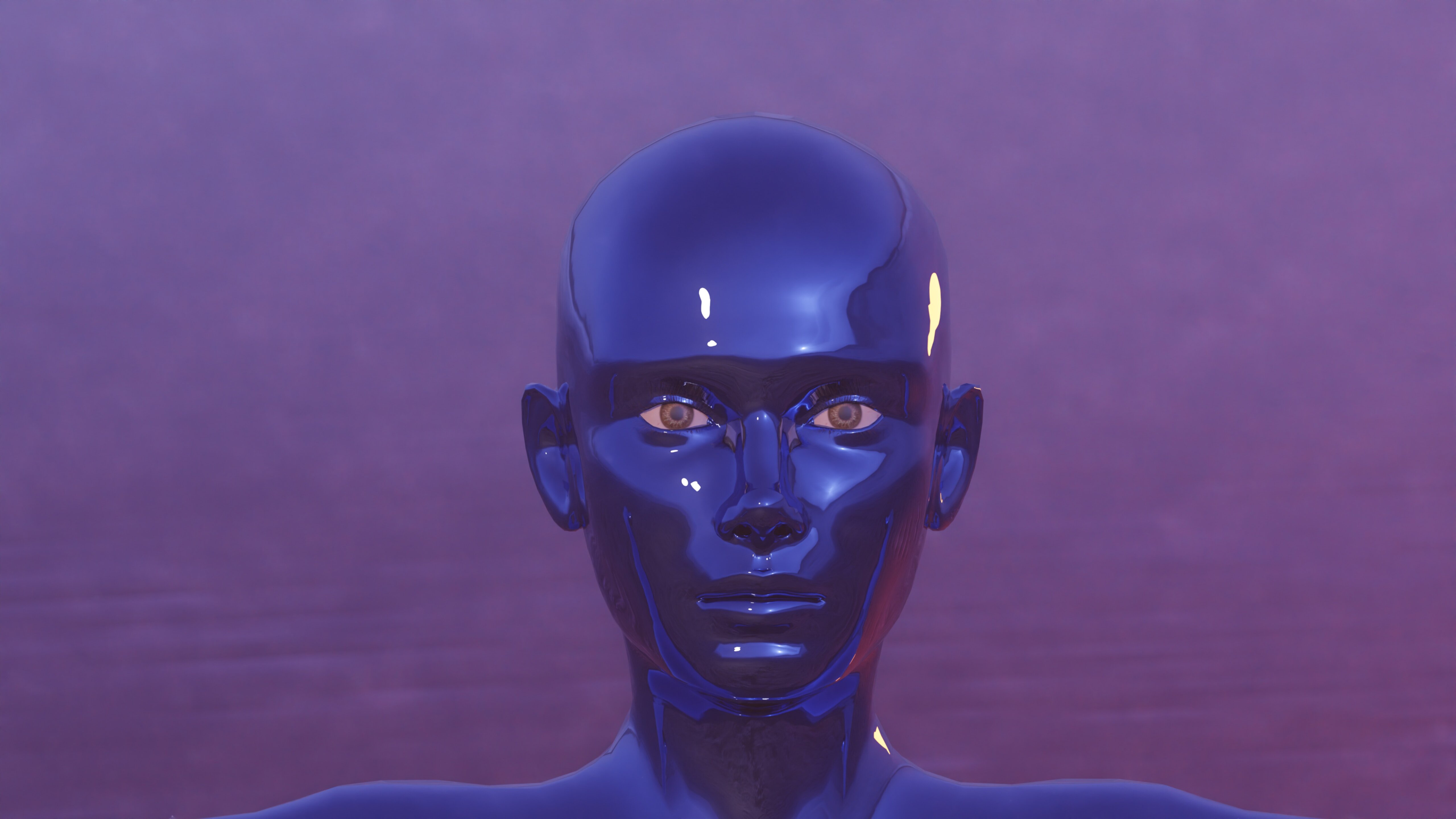
The digital self, particularly on social platforms where visual communication reigns supreme, is undergoing a fascinating transformation. We aren't just posting photographs anymore; we are curating digital proxies, avatars that carry the essence of our experiences, often filtered through the lens of our travels. Think about it: a static profile picture rarely captures the thrill of reaching a remote vista or the quiet contemplation found in an ancient marketplace. This gap between lived experience and digital representation is where avatar creation tools become interesting research subjects, especially those specifically tuned toward wanderlust. I’ve been examining several platforms that attempt to map the aesthetics of global exploration onto a personal digital identity, moving beyond generic cartoonish figures. It strikes me as a subtle but important shift in digital self-presentation—a desire to signal, perhaps subconsciously, one's connection to the wider world through stylized representation.
My focus today is on seven specific avatar makers that seem to have successfully integrated travel motifs into their generative processes, offering users more than just a face swap or a simple filter. These tools are essentially small data pipelines, taking user input—perhaps a photo or a set of descriptive keywords—and outputting a stylized character imbued with geographic flavor. Understanding which algorithms prioritize texture, color palettes associated with specific regions, or even incorporating elements like architectural styles into the avatar’s attire requires a closer look at their underlying mechanics, even if those mechanics are often obscured by user-friendly interfaces. Let's break down what makes these particular seven stand out from the vast sea of generic character builders available in the current digital ecosystem.
When evaluating these travel-inspired generators, I noticed distinct philosophical differences in how they approach "travel." Some, for instance, lean heavily into hyper-realistic rendering of attire inspired by ethnographic studies, which raises immediate questions about cultural appropriation versus respectful homage; I find the latter approach far more intellectually sound in its execution. Others opt for abstract representations, using color gradients reminiscent of famous sunsets or incorporating geometric patterns derived from indigenous art forms, which often feels safer but perhaps less immediately recognizable as travel-centric. I spent considerable time testing the avatar outputs generated when inputting prompts like "Kyoto temple garden" versus "Patagonian hike," noting the consistency and specificity of the resulting visual elements assigned to the character model. The superior tools managed to subtly weave these geographical cues into the avatar's base structure—perhaps the shape of the eyes, the texture of the background, or the implied material of their digital clothing—rather than just pasting a postcard sticker onto the side of the head. It’s this deep integration of thematic data that separates the truly interesting makers from the superficial ones, indicating a more sophisticated approach to visual data mapping by the developers behind them.
Reflecting on the second cluster of these seven tools, I observed a trend toward incorporating dynamic elements or scene setting, moving the avatar from a static portrait to a miniature diorama representing a travel moment. For example, one maker consistently rendered its avatars against backdrops featuring atmospheric effects, such as the hazy light of a desert morning or the specific blue hue of high-altitude skies, without requiring the user to specify those conditions explicitly. This suggests the model might be trained on image sets where location and lighting conditions are strongly correlated. Another fascinating element I cataloged was the subtle inclusion of travel accessories—not just a backpack, but perhaps a very specific type of worn leather satchel or a wide-brimmed hat common to certain equatorial regions. Furthermore, the metadata associated with the resulting avatar files, when accessible, sometimes hinted at the underlying 3D model libraries used, revealing a collection heavily weighted toward natural world textures and globally recognizable, yet stylized, landmarks. These seven applications, therefore, function less like simple drawing tools and more like constrained creative engines designed specifically to channel the aesthetic grammar of global movement into personalized digital icons.